
The Hangzhou 2026 World ParaVolley Sitting Volleyball World Championships are shaping the road to the LA28 Paralympic Games, with the first direct qualification places secured alongside the pursuit of world titles.
The World Championships have also brought together athletes, officials and leaders from across the Paralympic Movement to exchange ideas, strengthen partnerships and look ahead to the future of the sport.
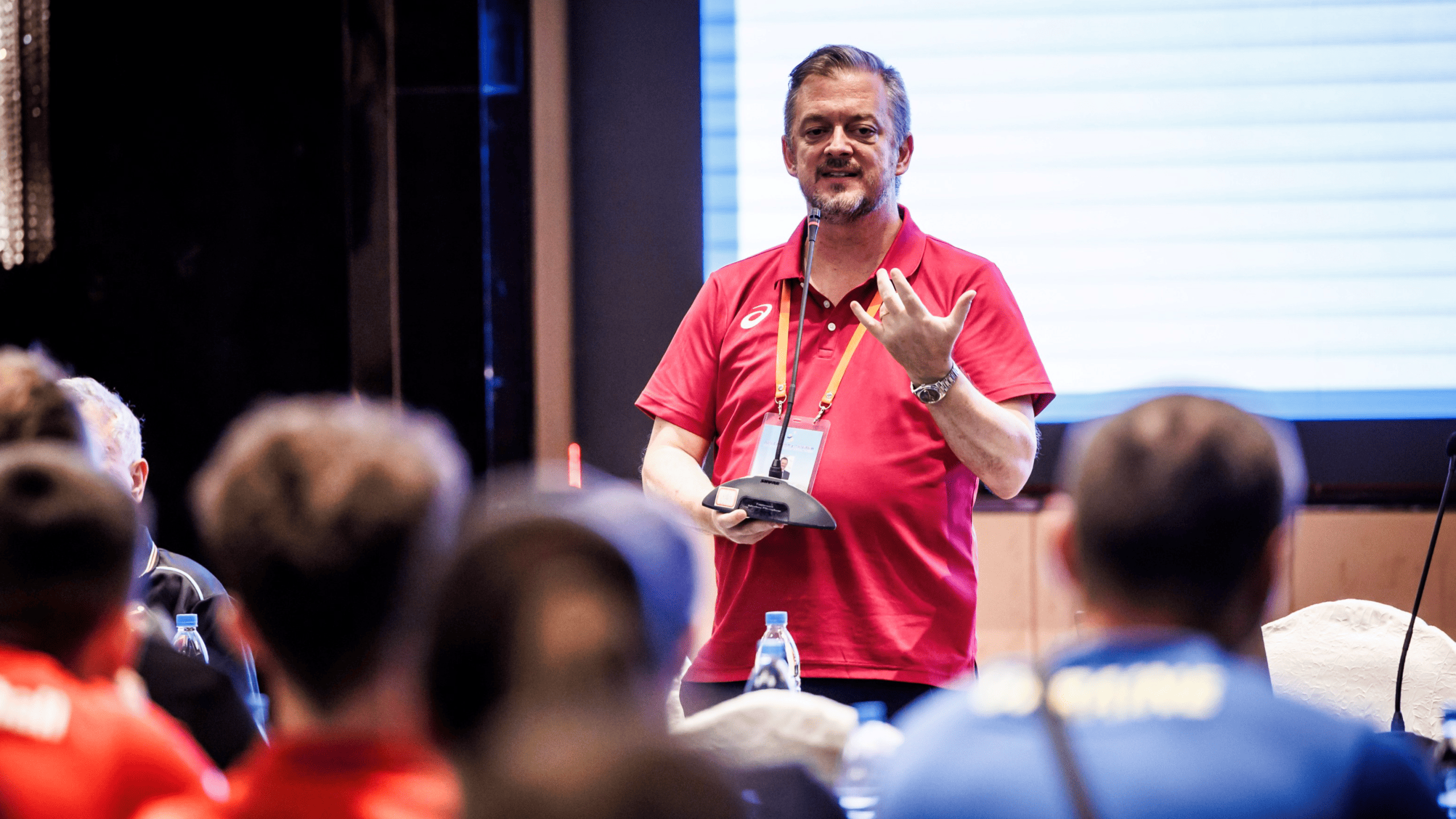
It was in that setting that International Paralympic Committee (IPC) President Andrew Parsons made his visit to Hangzhou, spending time with World ParaVolley leadership, International Technical Officials and athletes throughout the tournament. The meetings reflected a shared commitment to ensuring that sitting volleyball continues to grow, while keeping athletes at the centre of every conversation.
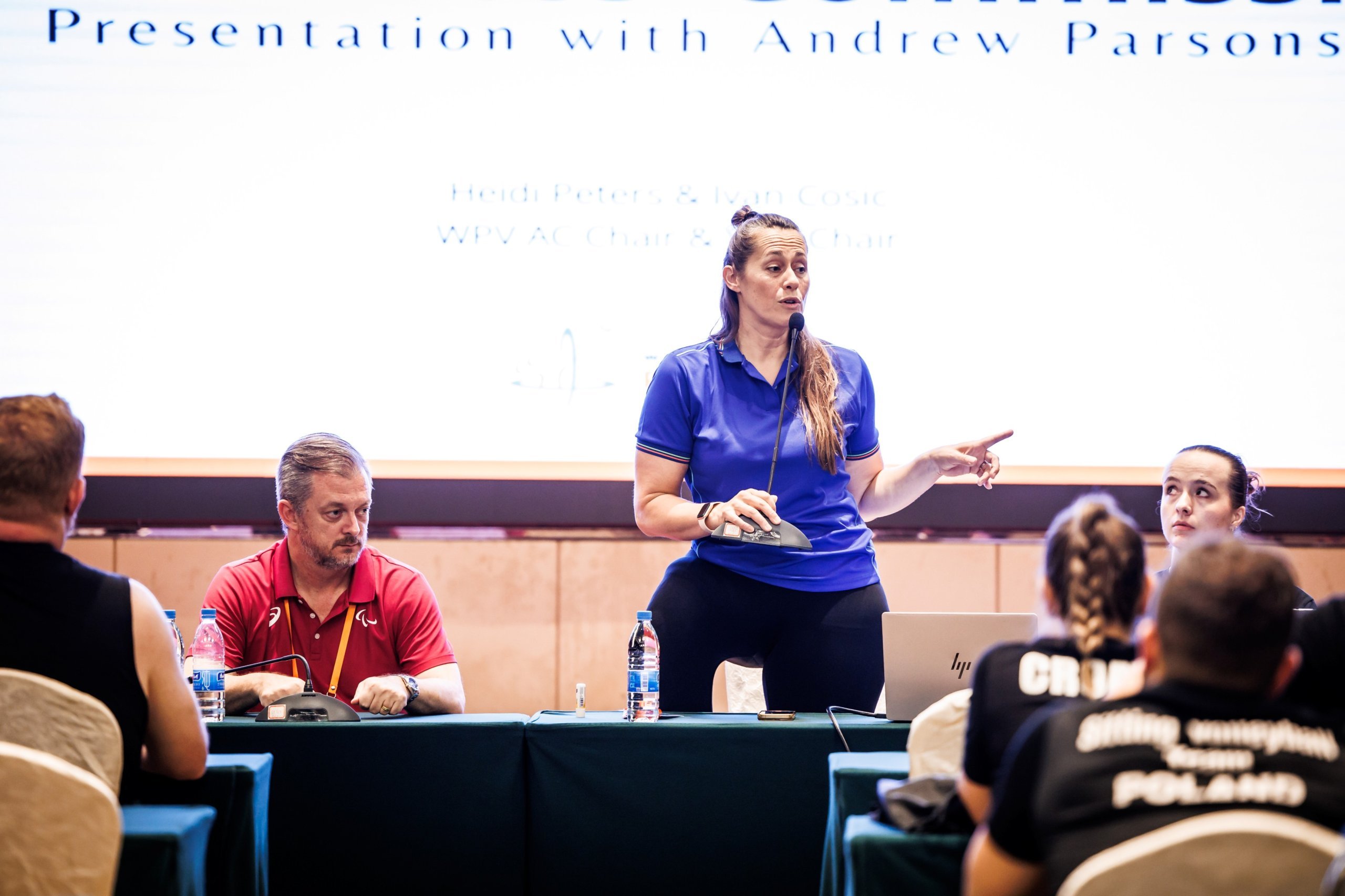
Returning to Hangzhou was a welcome opportunity for Parsons. Having visited the city during the Asian Para Games, he was already familiar with its reputation for hosting major Para sport events. The World Championships also marked his first opportunity in eight years to experience the highest level of international sitting volleyball in person.
“When I got invited to this event, I immediately confirmed I wanted to come,” Parsons said. “I have good memories from Hangzhou from the Asian Para Games a couple of years ago. I knew that this competition was going to be delivered in an incredible way, and I knew the warm hospitality.”
The level of competition left a lasting impression.
“I was really keen to see the level of the sport these days, and I’m super impressed,” he said. “What I have seen on the field of play is just fantastic.”
Watching the world’s best athletes compete was only one part of the visit. The World Championships also provided an opportunity to meet with World ParaVolley and discuss the continued progress of the sport, from strengthening national federations to creating more opportunities for athletes to enter and remain in sitting volleyball.
Those discussions are an important part of the relationship between the IPC and International Federations. While the Paralympic Games remain the pinnacle of the Movement, long-term development happens every day through collaboration and a shared understanding of each sport’s priorities.
“As the International Paralympic Committee, we serve our members and we serve the athletes,” Parsons said. “To interact with an International Federation is something really important to understand how we can better support them, not only when it comes to the Paralympic Games, but the development of their sport, the development of their IFs and, obviously, creating more opportunities for more athletes to be part of the sport.”
Equally important was the opportunity to sit down with athletes competing in Hangzhou. Representing nations from around the world, they shared their experiences, the challenges they continue to face and their aspirations for the future of the sport in an open dialogue with the IPC President.
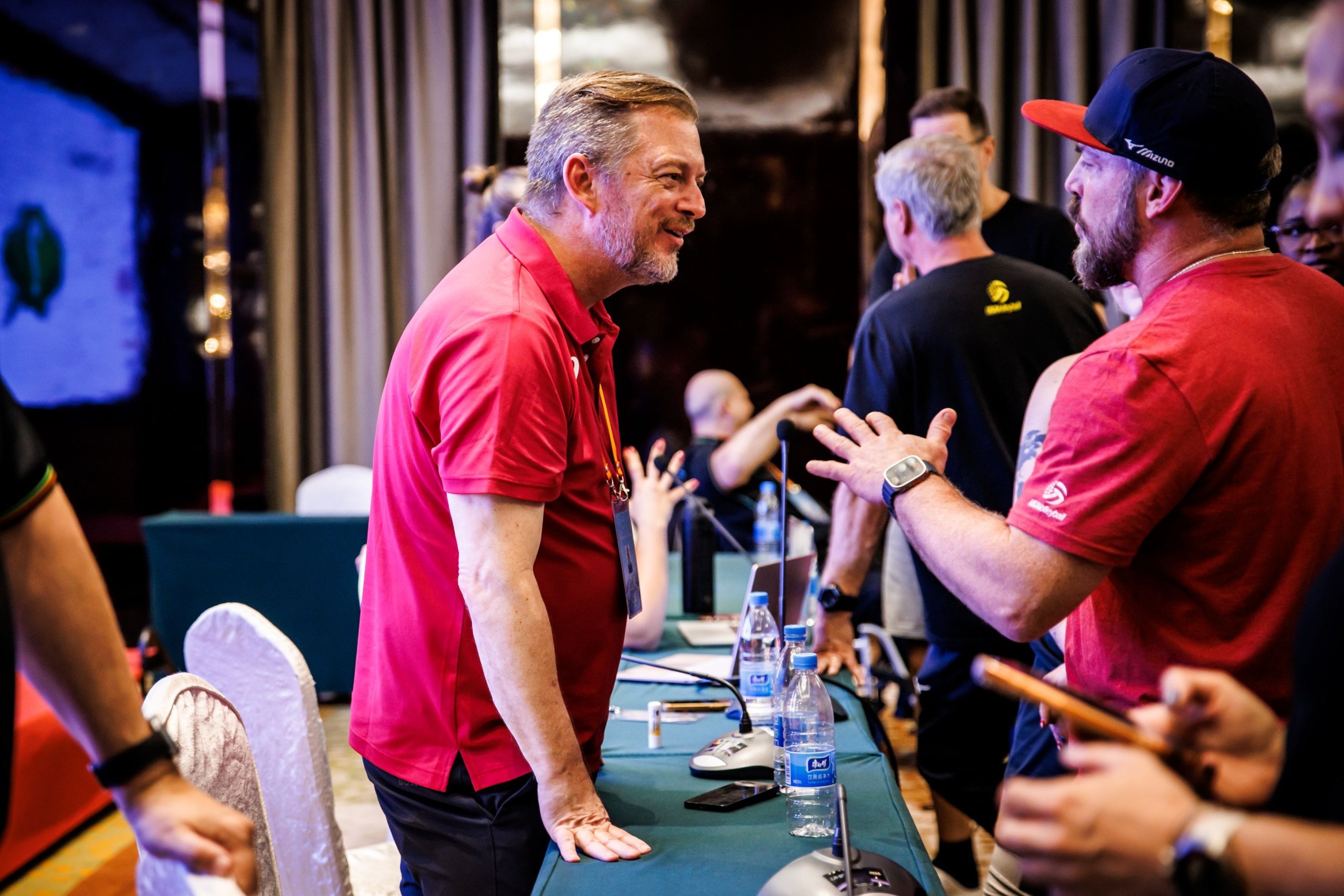
Those conversations provide an important perspective that cannot be found in reports or meetings alone. They allow the IPC to hear directly from athletes about the realities of competing at the highest level and help ensure their experiences remain part of future planning.
“For the athletes who are already involved in sport, to listen first-hand about their concerns, about their challenges, also suggestions, some constructive criticism,” Parsons said. “It’s very important to have this direct line of contact with athletes and our members. Every time I go to an event, I try to organise it.”
Creating those opportunities to listen, he added, is fundamental to the role of the IPC.
“Athletes are the centre of everything that we do,” Parsons said. “Sometimes they don’t have the channels to get their opinions, their views and some of the things that we do directly to us. So, creating these opportunities is fundamental. We exist to serve our members and the athletes. If we don’t create these communication channels in every aspect of what we do, we are not doing our job right.”
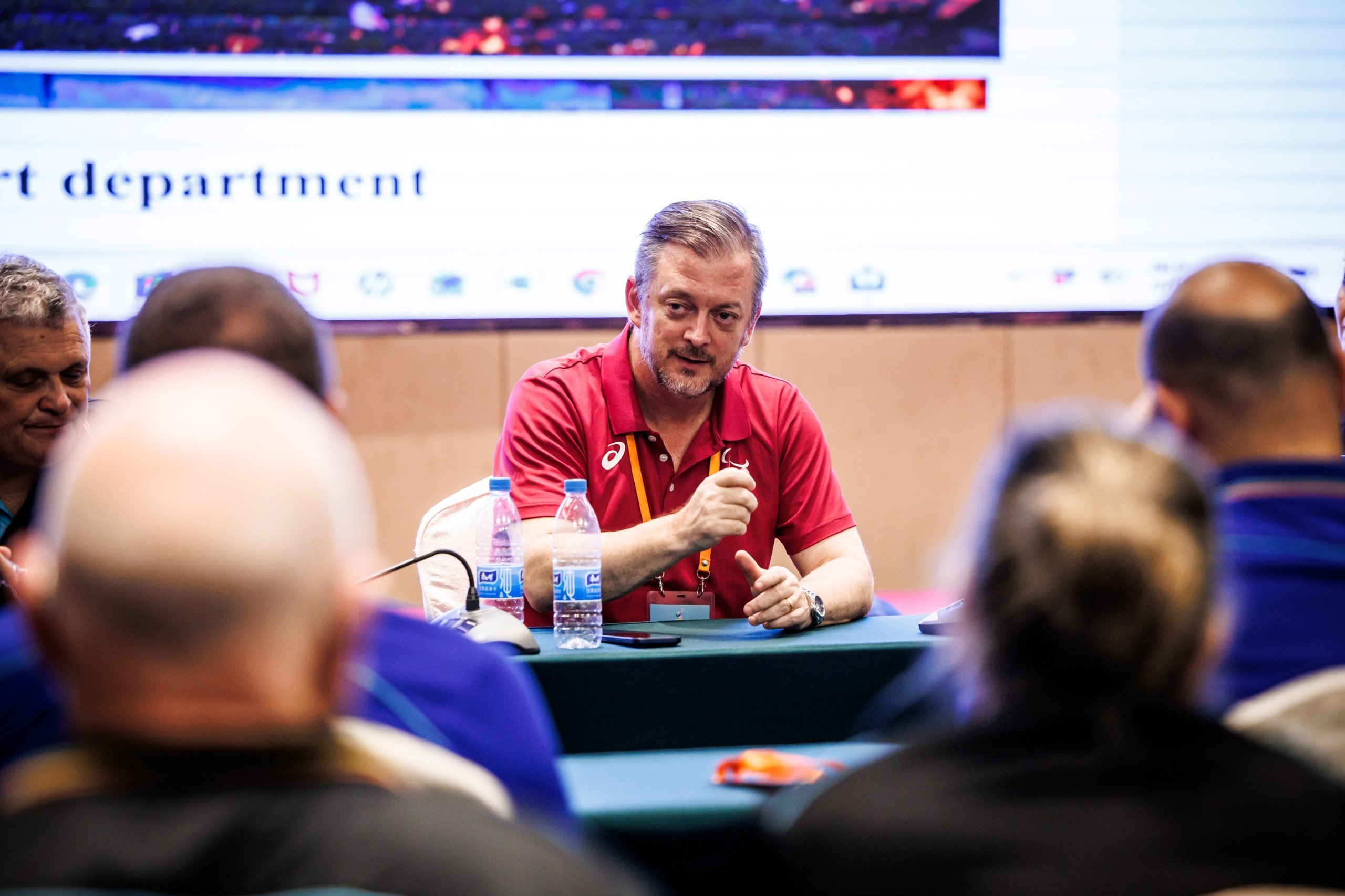
Those discussions carried added significance in Hangzhou, where Thailand, Kenya and France made their World Championship debuts, highlighting the continued expansion of sitting volleyball into new regions. Their presence reflected years of work by World ParaVolley, National Federations and the IPC to broaden access to the sport and create pathways for more athletes around the world.
Supporting that growth remains a shared priority. Alongside coach education and technical official development, the IPC continues to work with International Federations to identify where targeted investment can help emerging programmes take the next step, whether introducing sitting volleyball to new countries or strengthening those already building a competitive foundation.
“We have different programmes in which we can support IFs in their development activities,” Parsons said. “It is about building things together. We will take a more focused approach, working with the International Federations to create more opportunities in different parts of the world and help more countries grow the sport.”
As the road to the LA28 Paralympic Games continues, Hangzhou has demonstrated not only the quality of competition within sitting volleyball, but also the strength of the partnerships supporting its future. Bringing together athletes, officials, World ParaVolley and the IPC in one place created an opportunity to listen, share ideas and build on a common ambition, which is to ensure that the sport continues to reach more communities and provide opportunities for the next generation of athletes.